Remote Work Security Services for Greenville Businesses
 Adam Quan is the President of Greenville IT Solutions, an award-winning provider of managed IT services to over 200 businesses and nonprofits in the Southeast.
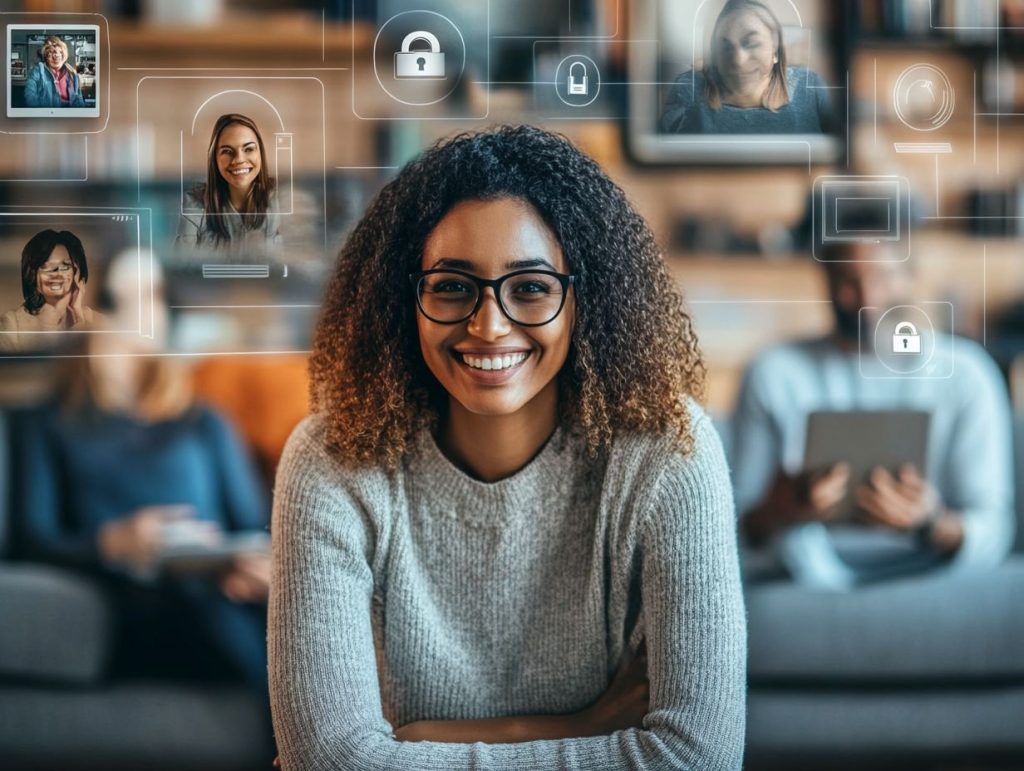
Remote work is now a fundamental aspect of modern business operations, offering significant flexibility and convenience. However, this flexibility also introduces complex security challenges that businesses, particularly those in Greenville, cannot afford to overlook. Remote employees often encounter various digital dangers, including phishing attacks, malware infections, and the risks associated with unsecured networks.
Without adequate safeguards, these exposures can lead to severe consequences, such as data breaches, costly operational downtime, and significant financial losses. This article explores common remote-work security threats and details how comprehensive solutions, like strong password policies, Virtual Private Networks (VPNs), two-factor authentication, and specialized employee training, can protect your business and its people.
Key Insights
Remote work is a necessity, not a luxury – Modern businesses, including those in Greenville, depend on remote work for business continuity and access to a broader talent pool, making robust security essential.
Phishing and malware are primary threats – Deceptive emails and malicious software pose significant risks, potentially leading to stolen credentials, data breaches, and expensive recovery efforts for remote workers.
Unsecured networks amplify risk – Connecting from home or public Wi-Fi without proper protection exposes company data to eavesdropping and compromise, requiring strict security standards and device management.
Multi-layered security is crucial – A combination of technical controls, clear policies, and ongoing employee education provides the strongest defense for remote teams, creating a safer digital environment.
Proactive IT partnerships are vital – Partnering with IT security services in Greenville ensures expert implementation of security measures, continuous monitoring, and employee training to adapt to evolving threats.
Understanding the Importance of Remote Work Security
Remote work, often referred to as telecommuting, has become an indispensable component for many contemporary businesses, especially within the dynamic economy of Greenville, SC. This model enables employees to perform their duties from diverse locations while sustaining crucial business functions.
Specifically, remote work helps maintain business continuity, supports effective data protection, provides access to a wider talent pool, and can enhance productivity levels. As this work paradigm continues its expansion, organizations must strategically balance the flexibility it offers with stringent cybersecurity measures. Protecting sensitive information, facilitating secure collaboration, and ensuring regulatory compliance are now core elements of any effective remote work strategy.
Without well-defined cybersecurity policies and robust protective measures, remote operations can expose businesses to significant vulnerabilities. These include potential data breaches, regulatory non-compliance issues, and disruptive operational outages. Therefore, implementing remote work security services is not merely beneficial; it is a critical investment for long-term stability.
Common Security Threats in a Remote Work Environment
Businesses leveraging remote work arrangements frequently encounter several persistent threats. These can severely impact operations and jeopardize sensitive corporate information. A clear understanding of these risks represents the initial step toward constructing a truly secure remote-work environment.
Phishing Attacks and Malware Infections
Phishing and malware represent two of the most significant dangers for remote workers. Attackers frequently deploy deceptive emails or links designed to trick employees. These malicious communications often persuade individuals to reveal sensitive information, such as passwords or confidential company data. Furthermore, they can deliver harmful software directly onto company devices, creating an entry point for broader network compromise.
The repercussions of such attacks are severe. They can include the theft of credentials, the encryption or exfiltration of critical data, and necessitate costly recovery efforts that lead to prolonged downtime. To mitigate these risks, businesses should deploy robust endpoint protection and advanced anti-malware tools. They also benefit from using remote monitoring solutions to detect suspicious behaviors proactively. Equally important is providing ongoing cybersecurity awareness training. This training empowers employees to recognize phishing attempts and identify unsafe links, significantly reducing the likelihood of accidental clicks that could endanger the entire organization.
Unsecured Networks and Devices
Remote employees routinely connect to company resources from various locations. These often include personal home Wi-Fi networks, public Wi-Fi hotspots found in cafes, hotels, or airports, and personal devices such as laptops, tablets, or smartphones. If these networks and devices lack proper security configurations, they become effortless entry points for cybercriminals.
Key risks associated with unsecured environments include eavesdropping on unencrypted data traffic, the compromise of personal devices accessing corporate data, and the potential exposure of sensitive information if devices are lost or stolen. To diminish these vulnerabilities, businesses must enforce stringent Wi-Fi security standards. They should also implement mobile device management (MDM) solutions, require encryption and screen locks on all devices, and, whenever feasible, provide secure, managed company devices. A comprehensive strategy, integrating IT support, endpoint protection, and clear policy enforcement, offers essential protection for both corporate data and remote employees.
Digital Security Solutions for Greenville Businesses
Greenville businesses can substantially fortify their security posture by adopting a strategic blend of technical controls, comprehensive policies, and continuous training. These elements should be specifically tailored to address the unique challenges of remote work. By integrating these components, businesses create a more resilient and secure operational environment for their distributed teams.
Implementing Strong Password Policies
Weak passwords remain one of the simplest methods for attackers to gain unauthorized access to systems and data. Therefore, effective password policies are paramount. Such policies should mandate the use of complex passwords that incorporate uppercase and lowercase letters, numbers, and symbols. They must also insist on unique passwords for different accounts to prevent credential stuffing attacks. Regular password changes, although sometimes debated, can add an extra layer of security. Furthermore, encouraging the use of reputable password managers helps employees generate and securely store complex, unique credentials without memorization. Training employees on password best practices and explaining the inherent dangers of password reuse significantly lowers the risk of unauthorized access.
Utilizing Virtual Private Networks (VPNs)
A Virtual Private Network (VPN) is an indispensable tool for securing remote connections. VPNs function by encrypting all data transmitted between a remote user’s device and the corporate network. This encryption ensures that sensitive information remains protected, particularly when employees are using unsecured or public Wi-Fi networks. VPNs also play a crucial role in enforcing consistent security policies across all remote users, making it a cornerstone of effective IT security policy. By mandating that all remote workers connect through a VPN, businesses ensure that communication with internal systems is shielded from potential eavesdropping and interception by malicious actors.
Employing Two-Factor or Multi-Factor Authentication (MFA)
Two-Factor Authentication (2FA), or more broadly, Multi-Factor Authentication (MFA), adds a crucial layer of security that extends beyond a simple password. With 2FA, employees are required to verify their identity using a secondary method in addition to their password. This can involve a one-time code sent via SMS or generated by an authenticator app, a push notification requiring confirmation, or biometric verification such as a fingerprint or facial scan. This multi-layered approach makes it significantly more difficult for attackers to gain access to accounts, even if they successfully manage to steal an employee’s password. It’s a key component of robust business cyber security solutions.
Regular Software Updates, Remote Monitoring, and Security Audits
Outdated software is a frequent source of vulnerabilities that cybercriminals exploit. Therefore, maintaining up-to-date systems is critical. Best practices include enabling automatic updates whenever possible to ensure timely patching. Furthermore, conducting regular security audits and vulnerability scans helps identify and address weaknesses before they can be exploited. Utilizing remote monitoring tools allows businesses to continuously track system health and detect suspicious activity in real-time. By remaining current with patches and vigilantly monitoring systems, businesses effectively reduce their attack surface and can identify problems early, preventing them from escalating into major security incidents. This proactive approach is central to effective IT preventative maintenance for Greenville businesses.
Training Employees on Cybersecurity Best Practices
Technology alone cannot provide a complete defense; employees themselves are a critical line of defense in the fight against cyber threats. Effective training programs are essential to equip staff with the knowledge and skills to recognize and respond to potential dangers. Such training should cover a range of topics, including how to recognize phishing emails and social engineering tactics, the safe use of Wi-Fi networks and personal devices, proper password hygiene, and the importance of using 2FA. Critically, employees must also understand how to report suspicious activity promptly and correctly.
Regular refresher sessions, ideally every three to six months, coupled with realistic simulation exercises, help employees stay alert and confident when confronted with potential threats. Investing in this kind of human firewall significantly strengthens an organization’s overall cybersecurity posture. Furthermore, understanding cybersecurity fundamentals is crucial for every business owner and their team.
Partnering for Enhanced Remote Work Security in Greenville
For many businesses in Greenville, managing the complexities of remote work security can be a significant challenge. This is especially true for organizations that may not have dedicated in-house IT security teams. Partnering with a specialized provider of managed IT services in Greenville offers a practical and highly effective solution.
Such partnerships provide access to expert knowledge, advanced security tools, and continuous support tailored to the specific needs of remote operations. A reliable IT partner can assist with implementing robust security measures, conducting regular audits, and staying ahead of evolving cyber threats. They also offer crucial support for compliance with industry-specific regulations, such as HIPAA for healthcare providers or FINRA for financial firms, which often have specific guidelines for remote work security and data privacy. By outsourcing these critical functions, Greenville businesses can focus on their core competencies, knowing their remote workforce and sensitive data are adequately protected.
Whether you’re a legal office seeking IT services for law firms or a medical practice requiring healthcare IT services, specialized support ensures your remote operations remain secure and compliant.
Secure Your Remote Workforce Today
Don’t let remote work expose your Greenville business to unnecessary risks. Our expert team provides comprehensive remote work security services designed to protect your data, networks, and employees. We offer tailored solutions, from robust endpoint protection to ongoing cybersecurity training, ensuring your operations remain secure and compliant.
Frequently Asked Questions
What are some common security concerns for remote work in Greenville businesses?
Common security concerns include the heightened risk of data breaches, unauthorized access to company networks, and the potential for employees to use unsecured personal devices. These factors underscore the critical need for strong endpoint protection and comprehensive network security measures.
Can remote work security services prevent data breaches?
Yes, robust remote work security services are highly effective in preventing data breaches. They achieve this through a combination of secure remote access technologies, advanced data encryption, continuous monitoring tools, and regular system updates, all designed to create multiple layers of defense.
How can Greenville businesses ensure employees use secure devices for remote work?
Businesses can ensure secure device usage by providing employees with company-approved devices that come pre-configured with essential security measures. Alternatively, they can enforce policies requiring the installation of specific security software and configurations on personal devices used for work, coupled with regular audits.
What regulations should Greenville businesses consider for remote work security?
Greenville businesses should be aware of industry-specific regulations that dictate remote work security and privacy. For example, healthcare providers must adhere to HIPAA, while financial firms have their own stringent compliance requirements. Understanding these regulations is crucial for maintaining legal and ethical operations.
What key features should businesses in Greenville look for in remote work security services?
Key features to prioritize in remote work security services include secure remote access solutions like VPNs, multi-factor authentication (MFA), robust data encryption capabilities, and consistent, automated security updates. These elements form the foundation of a strong remote security posture.
Do remote work security solutions protect against various cyber attacks?
Yes, comprehensive remote work security solutions are specifically designed to defend against a wide array of cyber attacks. They deploy multiple defense mechanisms, including firewalls, advanced anti-virus and anti-malware software, intrusion detection systems, and other tools to thwart unauthorized access to networks and sensitive data.