Understanding Cybersecurity Cost for Small Businesses in Greenville, SC
 Adam Quan is the President of Greenville IT Solutions, an award-winning provider of managed IT services to over 200 businesses and nonprofits in the Southeast.

For small businesses in Greenville, SC, the digital landscape presents both immense opportunities and significant risks. Protecting your operations from cyber threats is no longer optional; it is a critical necessity. However, many small business owners often wonder: how much does robust cybersecurity truly cost, and what factors influence these expenses?
Key Insights
Varied Costs – Cybersecurity costs for small businesses in Greenville, SC, are not one-size-fits-all, depending on business size, industry, and specific protection needs.
Essential Components – Core cybersecurity expenses typically include antivirus/endpoint protection, firewalls, data backup, and employee training, forming a foundational defense.
Compliance & Industry – Businesses in regulated sectors like healthcare or finance will face higher costs due to stringent compliance requirements and specialized IT security needs.
Managed Services Value – Outsourcing to a managed IT service provider often offers a more predictable and comprehensive cybersecurity solution than attempting to build an in-house team.
Proactive vs. Reactive – Investing proactively in cybersecurity measures is almost always more cost-effective than dealing with the financial and reputational fallout of a data breach.
The Digital Threat Landscape for Greenville Businesses
Greenville’s thriving business community, from startups to established enterprises, faces an increasing barrage of cyber threats. These threats range from phishing attacks and ransomware to data breaches and insider threats. For a small business, a single successful cyberattack can lead to significant financial loss, reputational damage, and even business closure. Therefore, understanding and budgeting for cybersecurity is paramount.
The cost of cybersecurity for a small business isn’t just about software licenses; it encompasses a wide array of solutions and services. These include preventative measures, detection systems, response plans, and ongoing maintenance. Neglecting these areas can expose your business to vulnerabilities that cybercriminals are eager to exploit. Investing in strong security protects not only your data but also your customer trust and continuity.

Factors Influencing Cybersecurity Costs
Determining the exact cybersecurity cost for small business Greenville SC can be complex, as it depends on several key factors:
Business Size and Number of Employees
Generally, more employees mean more endpoints (computers, mobile devices) and more potential access points for threats. Each user requires licenses for security software, training, and ongoing monitoring. Larger teams often necessitate more sophisticated security infrastructure and broader access controls. A business with ten employees will naturally have different security needs than one with fifty.
Industry and Regulatory Compliance
Certain industries carry stricter regulatory requirements that directly impact cybersecurity spending. For example, a medical practice in Greenville must comply with HIPAA regulations, demanding specific data encryption, access controls, and audit trails. Similarly, financial firms must adhere to stringent industry standards like GLBA or PCI DSS. These compliance mandates often require specialized security solutions and regular audits, driving up costs significantly.
Type and Sensitivity of Data Handled
If your business handles sensitive customer data, such as personal identifiable information (PII), payment card information (PCI), or protected health information (PHI), your cybersecurity investment must be higher. The potential cost of a data breach involving such information is immense, including fines, legal fees, and loss of customer trust. Protecting this data necessitates advanced encryption, secure storage, and robust access management.
Core Components of Small Business Cybersecurity Investment
While costs vary, several cybersecurity components are considered foundational for almost all small businesses.
Essential Security Software and Hardware
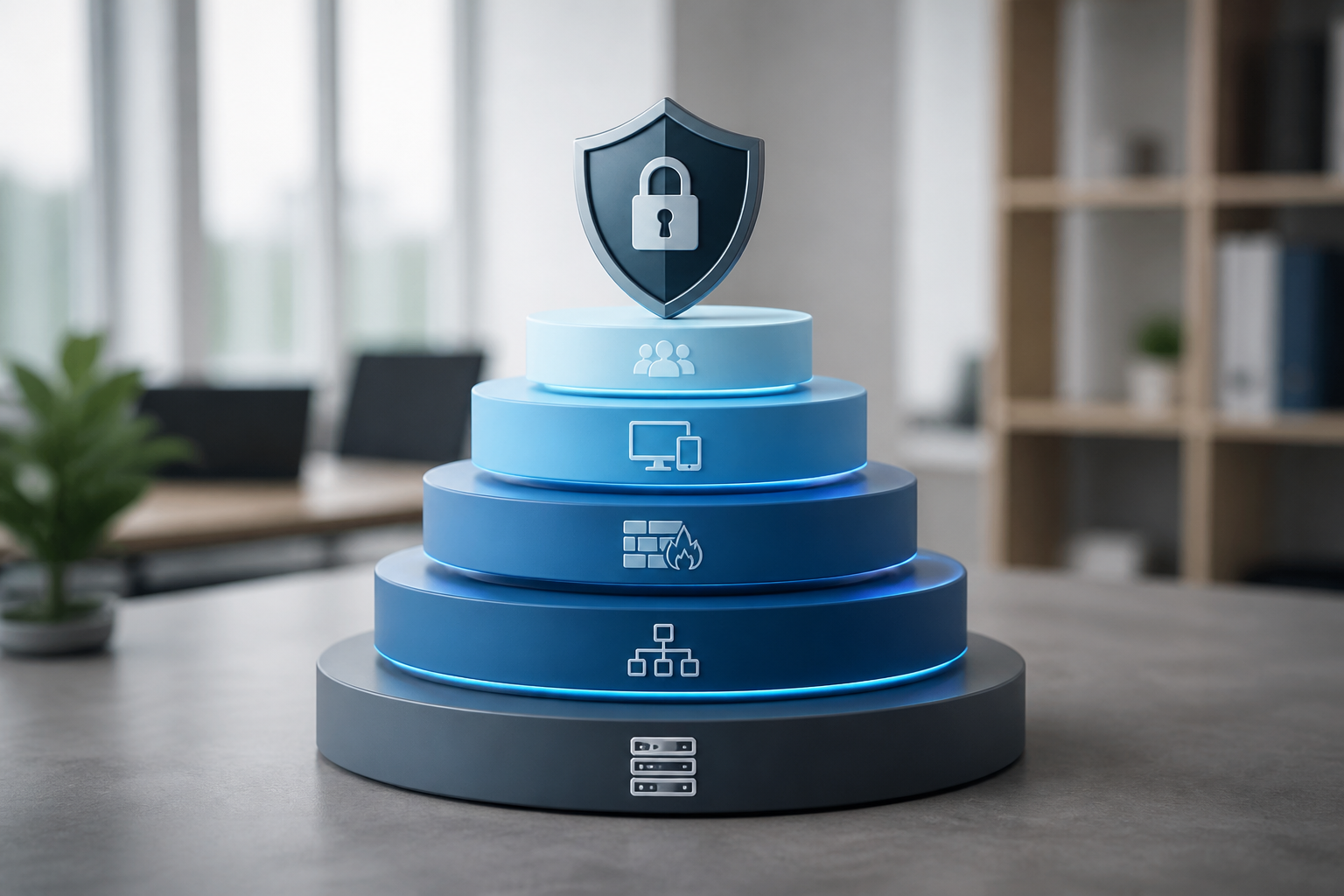
- Antivirus and Endpoint Protection: Every device connected to your network needs robust antivirus and anti-malware software. This is your first line of defense against common threats.
- Firewall Protection: A properly configured firewall acts as a barrier between your internal network and the internet, controlling incoming and outgoing traffic.
- Data Backup and Recovery Solutions: Regular, secure backups are crucial for business continuity in case of data loss due to cyberattack, hardware failure, or human error.
- Virtual Private Networks (VPNs): For businesses with remote employees or those accessing sensitive data off-site, VPNs encrypt internet traffic, ensuring secure connections.
Employee Training and Awareness
Your employees are often the weakest link in your cybersecurity chain. Comprehensive and ongoing cybersecurity awareness training can significantly reduce the risk of human error. This includes training on identifying phishing emails, strong password practices, and safe browsing habits. Regularly updating this training is essential to combat evolving threats.
Network Infrastructure Security
Securing your network infrastructure involves more than just a firewall. This includes secure Wi-Fi configurations, intrusion detection systems, and regular vulnerability assessments. Strong network security ensures that unauthorized access attempts are blocked and any anomalies are quickly identified. Additionally, ensuring your physical network connections are secure often involves investing in proper low voltage cabling installation and maintenance.

Comparing In-House vs. Managed Cybersecurity Services
Small businesses often face a critical decision: build an in-house cybersecurity team or outsource to a managed IT service provider? Both approaches have distinct cost implications.
In-House Cybersecurity Costs
Building an internal team requires significant investment. You’ll need to hire experienced cybersecurity professionals, which can be expensive given the high demand for these skills. Salaries, benefits, and ongoing training for even one dedicated expert can easily exceed a small business budget. Furthermore, you’ll need to purchase and maintain all necessary security tools and infrastructure yourself, which can quickly become overwhelming.
Managed Cybersecurity Services (MSSP)
Engaging a managed security service provider (MSSP) offers a more predictable and often more affordable solution. MSSPs provide comprehensive security solutions, including monitoring, threat detection, incident response, and compliance management, all for a flat monthly fee. This allows small businesses to access enterprise-level security expertise and tools without the prohibitive upfront costs. Services like managed cybersecurity services offer continuous protection and peace of mind.
For many small businesses in Greenville, outsourcing cybersecurity to a trusted partner like us provides a cost-effective way to achieve robust protection. This approach allows you to focus on your core business operations while experts handle your IT security needs. Our IT service provider in Greenville team can help you navigate these complex choices.
Average Cybersecurity Costs for Small Businesses
While providing exact figures is challenging due to the variables discussed, we can offer some general ranges for a small business in Greenville, SC:
Basic Cybersecurity Package
For very small businesses (1-10 employees) with minimal sensitive data, a basic package might include strong antivirus, a business-grade firewall, and simple data backup. This could range from $100 to $500 per month, often as part of broader managed IT services. This foundational level helps protect against common threats and ensures basic operational continuity.
Comprehensive Cybersecurity Solutions
For growing small businesses (10-50 employees) or those handling moderately sensitive data, a comprehensive solution is essential. This would expand upon the basic package with advanced threat detection, employee training, regular vulnerability scanning, and more robust data recovery options. Costs could range from $500 to $2,000+ per month, depending on the complexity and included services. Businesses in specific sectors like local dental it services or those needing IT support for law firms often fall into this category due to increased regulatory scrutiny.
Specialized and Compliance-Driven Cybersecurity
Businesses in highly regulated industries (e.g., healthcare, finance) or those with significant amounts of sensitive data will require specialized solutions. This includes advanced compliance tools, ongoing audits, 24/7 security monitoring, incident response planning, and dedicated security information and event management (SIEM) systems. These costs can easily exceed $2,000 to $5,000+ per month, reflecting the critical need for absolute data integrity and regulatory adherence. For instance, it support for financial services will involve these higher-tier solutions.
The Real Cost of NOT Investing in Cybersecurity
It’s vital to consider the alternative: the cost of a successful cyberattack. Data breaches can lead to:
- Financial Losses: Direct costs from ransomware payments, system recovery, legal fees, and regulatory fines.
- Reputational Damage: Loss of customer trust, negative publicity, and difficulty attracting new clients.
- Operational Downtime: Business operations can grind to a halt, leading to lost productivity and revenue.
- Legal Liabilities: Potential lawsuits from affected customers or partners due to compromised data.
According to the Ponemon Institute, the average cost of a data breach for a small business can run into tens of thousands of dollars, often enough to force closure. Investing in proactive cybersecurity is an insurance policy against these devastating outcomes. Prevention is far cheaper and less disruptive than remediation.
For more insights into protecting your business, explore resources from authoritative bodies like the Cybersecurity and Infrastructure Security Agency (CISA).
Protect Your Greenville Business with Expert Cybersecurity
Don’t leave your valuable business assets vulnerable to ever-evolving cyber threats. Our team specializes in providing tailored, cost-effective cybersecurity solutions for small businesses across Greenville, SC.
Frequently Asked Questions
How often should my small business update its cybersecurity measures?
Cyber threats evolve constantly, so your cybersecurity measures should be reviewed and updated regularly, ideally quarterly or at least annually. This includes software updates, policy reviews, and employee training refreshers.
Can I implement cybersecurity myself to save costs?
While some basic measures can be implemented in-house, comprehensive cybersecurity requires specialized knowledge and continuous effort. DIY approaches often leave critical vulnerabilities unaddressed, leading to higher costs in the event of a breach. Partnering with a professional managed IT company is generally more effective.
What is the most critical cybersecurity investment for a new small business?
For a new small business, the most critical initial investments are often robust endpoint protection (antivirus/anti-malware), a secure firewall, and a reliable data backup solution. These form the basic foundation upon which more advanced protections can be built as the business grows.
Do I need cybersecurity if I use cloud services for my business data?
Yes, absolutely. While cloud providers offer some security for their infrastructure, you are still responsible for securing your data within their environment and protecting access to your cloud accounts. This includes strong passwords, multi-factor authentication, and understanding shared responsibility models for cloud security.
What if I find cybersecurity too expensive for my small business budget?
It’s important to view cybersecurity as an essential investment, not an optional expense. Many managed IT service providers offer tiered packages designed for various small business budgets, providing scalable solutions. The cost of a breach almost always outweighs the cost of prevention.